We finished our final cut! This has definitely been a long, but enjoyable process and the end product was really rewarding for all the hard work we put into it.
Creative Critical Reflection
Transcript:
Hi my name is Sitara Sriram and in this creative critical reflection I will be discussing the entire process of working on my title sequence Into the truth.
1.How do your products use or challenge conventions and how do they represent social groups or issues?
Our title sequence is a combination of four different genres: mystery, crime, drama and thriller. (show screen recording of blog post about genre conventions). The main genres that we were researching about were mystery and crime, but when we were drafting the plot of our movie, we felt that some of the elements and conventions overlapped into drama and thriller as well. These genres are all primarily dominated by a male presence. If females are included, they are generally considered to be inferior and have less authority than males in the film have. We used these representations within the title sequence. The female detective is not taken seriously by the male detective and is discouraged from solving the case. She is not elieved in because she is a woman and is told to “go get her nails done” because the male detective does not believe she is worthy enough to solve the case. In this aspect we went along with the representation of this social group, however through casting, we tried to challenge the gender roles within the movie. Our female lead, Becca is taller than Tommy, so we used this to our advantage to distinguish the two of them.
Starting off analyzing the title sequence, mise-en-scene was one of the most vital parts because it established the mood and setting. With costuming, Victoria, who plays the dead victim, is dressed in a white shirt, (victoria) meant to represent purity and innocence. This is a basic of the mystery and thriller genre as victims are usually seen in white clothing. (horror character in white). Low-key lighting was also used throughout in the evidence scenes to establish the mood as creepy and mysterious, which follows genre conventions of crime and thriller movies because it creates a darker environment. (dark lighting) The setting in the first half was meant to resemble the victim’s room as the crime scene where the murder took place. We tried to make the feel very chaotic with the messy bed (messy bed) and blood stains on the door and table (blood). The props were also really important in creating the overall feel of the crime scene. The shots start off by showing the police tape, bloody handprint on the door, then to the bloody footprints, the shoes, knife, dead body and then the threatening note. This note was one of the original props that we wanted to include in the title sequence, because the setting of this was planned to be in the 1990s. This magazine letter crafted note felt appropriate for the time period especially in the mystery genre. Movies within this genre typically use this style as ransom letters, so this was a prop that we wanted to include to create this serial killer effect. All of these props came together to establish the crime scene feel to the room. Victoria’s positioning on the ground as the victim also made her very vulnerable. The production design completely changed the look of our setting, originally looking very bright and colorful to dim and mysterious.
Going onto the cinematography, the overall feel could be summed up as a point of view shot or handheld shot because it is supposed to be seen from a person’s perspective who is viewing the crime scene and it is left up to the audience for interpretation. A tilt shot was used to display the entire bloody handprint on the door. Throughout the entire crime scene portion, we used several slow pans so that the audience could see the premise of the crime scene in its entirety. Along with each pan shot was a close-up shot that emphasized each piece of evidence.
With editing, each shot of the individual piece of evidence has a fade transition. The purpose of this was to blend it and make it all connect together with the murder of the victim.
In the evidence scene, the background music is a creepy song that increases in volume towards the more suspenseful parts. The only other sound for this section was the door opening and closing, which I recorded separately after filming.
There was not too much to do with the mise-en-scene of the second half. Our only prop was really just the newspaper and the characters were dressed in professional clothing to show that they are in a work environment.
After the scene fades out, we can see a dolly out shot of the newspaper, which reveals the crime scene has been reported on and that there is a person holding and reading the newspaper. Tilt shots were used to reveal both the female and male detective when they are introduced. The tilt shot on the male detective leads into a canted angle facing him, to create a feeling of imbalance to show that he is weaker or in the wrong, because the shots on the female detective are shot with a straight angle, emphasizing her assertion and being stronger. A tracking shot of the female detective shows the story is going to be told from her point of view and to place the centrality on her character.
A match cut was used to smoothly transition from the crime scene to the detectives office, so we closed the door and faded the shot to black. Color correcting was used to emphasize the conventions of the genres we chose, but this will be further discussed in the reflection. Many shot reverse shots are edited in the office scenes because it is meant to display the detectives conversing with each other and it helps to convey both of their emotions during the dialogue. Another match cut was edited when she opened the drawer to get another copy of the newspaper and it cut to show her from inside of it. Then it cuts back to a midshot match cut to show her closing the drawer with her foot. The purpose of these match cuts were to preserve continuity throughout the sequence but to also add some variety to the shots.
For the sound of the office scenes, Taylor recorded some ambient sounds of phones ringing, dialogue, and printer noises to make it more realistic that these scenes are taking place in a real office. At the end when the title card appears, mysterious music is played over this to foreshadow that there is much that needs to be solved and to lead into the rest of the movie.
2. How do your products engage with the audience and how would they be be distributed as real media products?
A very important part of the filmmaking process is seeking a production company, and for us we were looking for one that suited low-budget films and that produced movies in the similar genres that we were exploring. We found a company called Next Wave Films (logo) that satisfied our criteria and it had produced some mystery and crime film such as Following directed by Christopher Nolan, Manic by Jordan Malamed and Envy by Julie Money. (pics of all three movies) Unfortunately, the company no longer exists, so we decided to go with our backup option MGM, Metro-Goldwyn-Mayer. MGM has produced films from low to high budgets, and a variety of different genres such as crime, horror, thriller, drama and more. Some of the more well-known films that they have taken part in are Se7en, Final Destination and Murder at the Gallop. Some of the distribution companies we were looking at were 20th Century Fox, Artisan Entertainment and Momentum Pictures, but we were leaning more towards the last two options because 20th Century Fox is one of the bigger production companies so our film might not be large-scale enough for them to produce. Since our movie is a low-budget and independent film, the best exhibition method for us would most likely be platforming. Our movie does not fall within the most popular of genres, so trying to aim for wide-release would be a little bit out of our realistic realm. The target audience that we want to reach would be people in their 30’s, but more specifically women than men. A prominent theme of our movie is about female empowerment, so this could be a popular concept between the women demographic. We feel that the most effective way of marketing the movie is through smaller advertisements, such as interviews, trailers and other forms such as this.
3. How did your production skills develop throughout this project?
The whole process of making the title sequence was very lengthy. First Taylor and I had to decide what kind of movie we wanted to make a title sequence for. When the project was first introduced I was already leaning towards more a mystery movie because I’ve always had an interest and Taylor also seemed to really like the idea. Our first step was planning our plot for the title sequence and this is where we came up with the idea for a movie revolving around a detective solving a murder. We then realized that what we envisioned took conventions from four different genres and researching the specifics for each genre was a very time-consuming process because the online resources we were using did not have much information. After finally finding some of the genre conventions, we started to watch other title sequences from other movies in these genres to get a visual for how they are structured. This stage of research was really helpful and allowed us to make necessary changes to our first plot idea to make it fit more to the genre conventions. Next was the shooting phase. We set a schedule between all our actors to see when it was convenient for them to help us film. The office scenes were initially shot at our school’s front office because this was the only location we were able to find. However, we ran into many issues here, the first being that we couldn’t even get inside. Taylor arranged with another staff member to shoot there after school hours and they agreed but when we got there the doors were all locked and the halls were empty. Then with some luck we ran into one of our teachers who called the assistant principal to come out and he let us in but he said “You got 30 minutes.” at this point I was considering if we should even shoot that day because I felt that it wouldn’t be enough time, but since Tommy and Becca were already there we just decided to try and make the most of what we had. This was definitely a very ROUGH cut because our storyboard was really just a plot outline, and not so much the planning of the shots that we wanted, so we literally were just making the shots up on the fly. Given that and the 30 minute time limit, our first try was definitely not the best because the shots did not have much continuity and it didn’t really flow well. Later that day, we shot the crime scene shots at my house and this went a lot better. The whole process of setting up took about 3 hours, so it did take a bit of time. We had a few issues while setting up, like the police tape wouldn’t stick to the wall and would fall so we had to keep layering on the tape. We also used fake blood for our title sequence and while spraying it some of it got on the floor and my room has carpet, so this took a lot of cleaning but I was really thankful that Taylor and victoria were helping me clean that. I can’t even tell you how many paper towels we went through trying to get the stains out. As the production designer, I also had to create the bloody handprint on the door. This was a bit of a process because it either wouldn’t turn out right or it would keep dripping, but I eventually got it to look how we wanted. My hands smelled like ketchup for the next week, but that’s dedication I guess. One thing on my part I noticed after filming was that the shadow of the camera could be seen when walking over the carpet, but it wasn’t a major problem to the point where we would have to reshoot the whole thing. We didn’t plan too much for this portion either because we knew that we were going to basically just film a bunch of pan shots to show each piece of evidence. We tried it a few different ways, the first time doing a long take, but after a few times we realized this wasn’t really working because it wasn’t smooth and i’m not gonna lie, my arms were really starting to hurt from having to do one long take. So then we decided to try doing multiple shots with different pans and this worked a lot better. Taylor was the editor in our project and she edited all the shots we had together. The crime scene part looked pretty good, but the office part was really just bad, so we set aside another date to reshoot. Taylor’s mom works at Verizon so we were able to shoot in there and the relocation was MUCH better since it actually looked like an office. No hate to our school’s office but the janitor in the back was really killing the whole detective vibe. (janitor clip) But anyways, the week after we went and reshot at her mom’s work and this went a lot more smoothly. We had planned each shot that we wanted so we were able to film more efficiently, especially without having any time constraints. The only issue we had here was us forgetting the newspaper, which was the most important prop we needed that day, so Taylor had to make another newspaper. This took about an hour to make, so it delayed us a little bit, but it wasn’t anything major and honestly the make-shift newspaper looked a lot better than our original. We had a successful day filming and we were excited for the editing process to see how it would all come together. Taylor was our main editor and she did a really great job with putting all the clips together and creating the small effects that we wanted to add to increase the overall look and quality. My role in the editing process was mostly giving her feedback in terms of what was good and what could be improved on while she edited the clips. I also contributed to the sound stage because we knew we wanted a specific type of music to be played in the background of the crime scene to heighten the suspense. Taylor had already edited some track into the clip but I discussed it with her that I didn’t think it fit that well, so then we both worked together to find another track that was more appropriate for the scene. Going through this project has definitely opened my eyes as to how much really goes into creating a film. We only had to film a two minute opening and it was a really hectic process, so filming an entire movie would definitely be a harder task. However, I really enjoyed this project because it introduced me to film and it has made me like and appreciate it for the hard work that goes into it. I definitely am more knowledgeable about pre-production, production and post-production as I personally went through each stage and I am familiar with film terminology and concepts that I had no awareness of before starting this assignment.
4. How did you integrate technologies- software, hardware and online- in this project?
For the filming portion during the production phase of this project, we used a few different pieces of technology. My parents already had a Sony camera and a tripod and they were willing to let me borrow it for the project. (pictures of the camera) (find footage of me using the tripod and pics of tripod) As the cinematographer, it was important to get those steady shots, but my hands are extremely shaky, so the tripod was very helpful in preventing unwanted shots. The tripod had an attachment that allowed you to put a camera or phone and tighten it so that it would stay there. (pics of attachment) The initial plan was to shoot everything on the camera because I thought it would look higher quality, (show blurry shots) but after I started shooting I realized that it really wasn’t that great. The shots came out somewhat blurry, so I just decided to use my iPhone 8 instead (iphone pics) and the camera quality was a lot better. As for the audio, Taylor has airpods, which are bluetooth wireless headphones, so this would be easier to disguise than normal wired headphones. For Tommy, we put the airpod inside his shirt, and Becca just stuck it in her ear, because her hair was able to cover it. We thought ahead about syncing up the audio during post production, and we had a system where before each scene, Taylor would clap and then we would start the action so that it was easier for her during editing to accurately sync it up. (taylor clapping) For the editing phase, Taylor used different applications such as iMovie, Video Star, Superimpose +, (logos of these apps) etc. and all of these were used for different components. iMovie was primarily used to cut the clips and arrange them in the order that we wanted. Video star was used for color correcting, which was very important because the original shots did not represent the look we were going for. We did shoot at night in my room for the crime scene part, but we needed the light ot be on for filming, so the shots turned out way too bright and did not resemble anything of a mystery genre. Taylor was able to do some color correcting to give the sequence dimmer lighting and to help establish the scary and creepy feeling. Superimpose+ was used for the title card at the end of the title sequence. We agreed that we wanted it to look like a magnifying glass running over the letters of the title of the movie, “Into the Truth.” Taylor was able to get this effect by taking a picture of a cartoon magnifying glass and putting it against a green background, so that the green was only present inside the glass part of the magnifying glass. This was then taken to Video Star to create the finished title card. The majority of the color correcting was in the crime scene, and less in the office scenes. We shot this during the daytime, and we wanted the brighter lighting because it was meant to resemble a detective’s office, so not much color correction was needed here. Through the entirety of this project, I have learned that technology is an essential part of film. Without any of the devices and applications that we used, this title sequence would have been very difficult, if not impossible to make, and the overall meaning was achieved only through using these tools to aid in our filmmaking.
Thanks:
This project would not have been possible without help from my partner Taylor Moore, my media studies teacher Mr. Engle, our actors, Rebecca Wolff, Victoria Conn, and Tommy Mitchell, and three of our class peers, Ava Chandler, Kyler Dickerson and Ryan Mish.
Side-by-Side Comparison
Now that we have finished editing, I wanted to create a blog post with comparisons from our title sequence to our major inspiration for the title sequence, Murder on the Orient Express. A while ago, I did an analysis of both versions, and I think our film resembled more of the 1974 version, so I will include pictures to show how we took inspiration from that movie into our own.
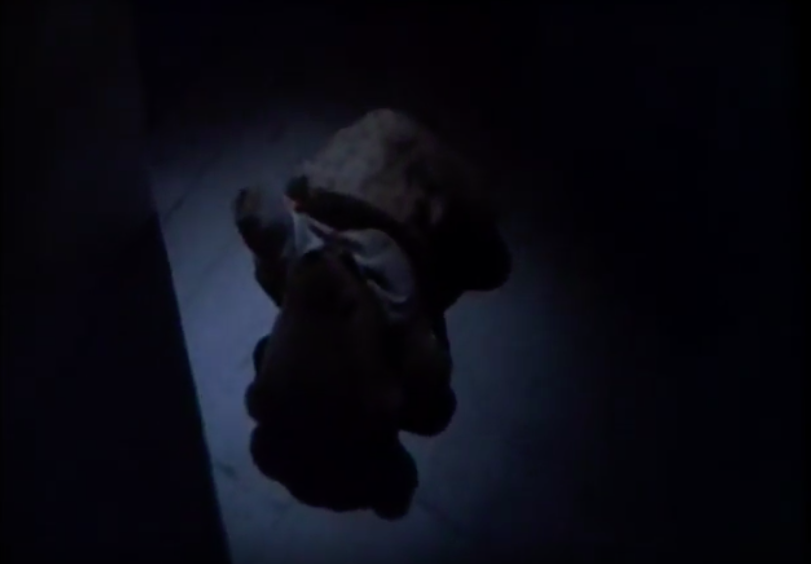
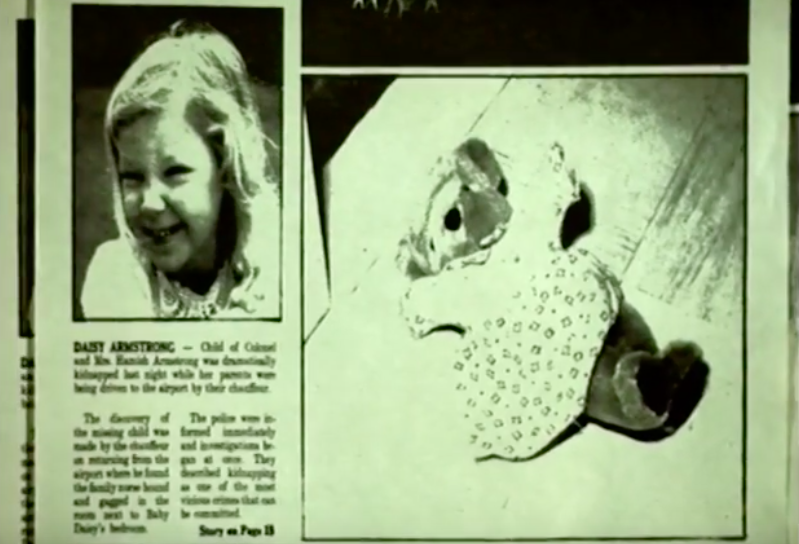

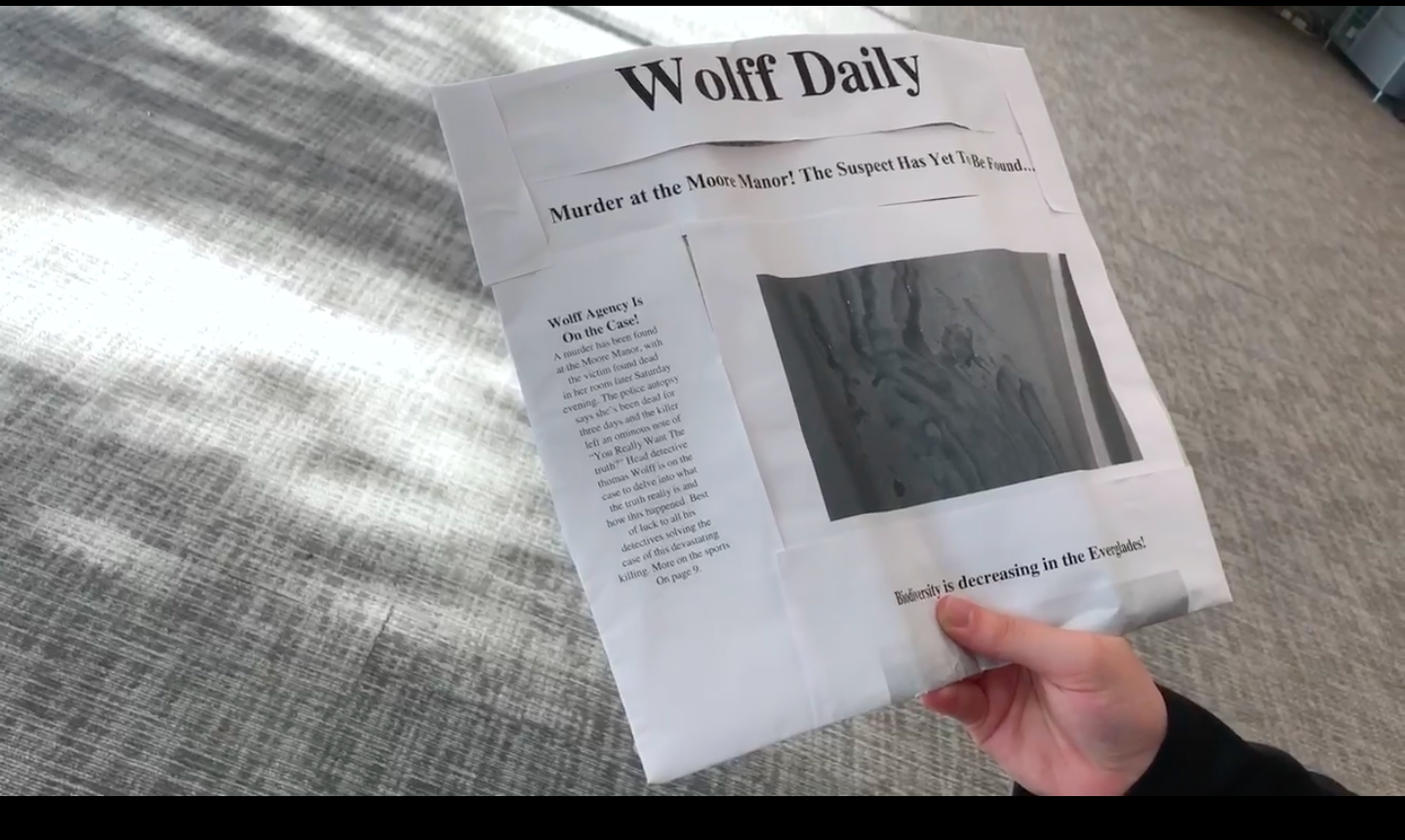
As you can see in the 1974 version (top 2 pictures), the scenes go from a shot of the teddy bear, to a picture of the teddy bear in the newspaper. This was our idea for our title sequence as well. We were originally going to end with a shot of the bloody handprint on the door and then have it fade to the newspaper, but we gave it some thought and felt that it would be easier to transition from a black screen to the newspaper instead, but still having it fade, similar to the Murder on the Orient Express shot. We also wanted to incorporate the use of the newspaper prop to show that it was a murder that had been reported on and to give it more of that mystery/thriller feel.
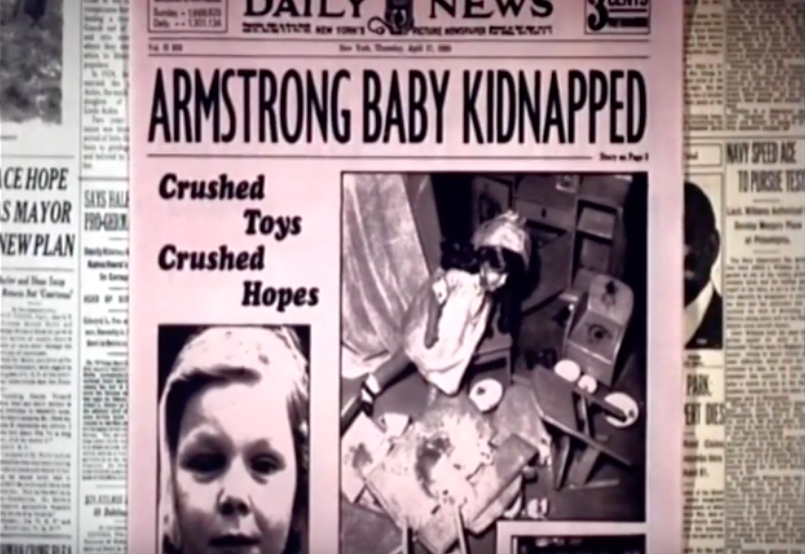
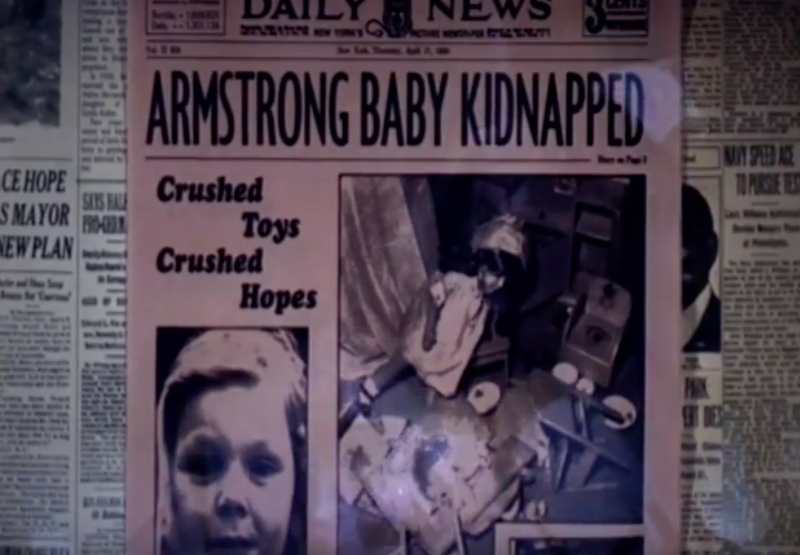
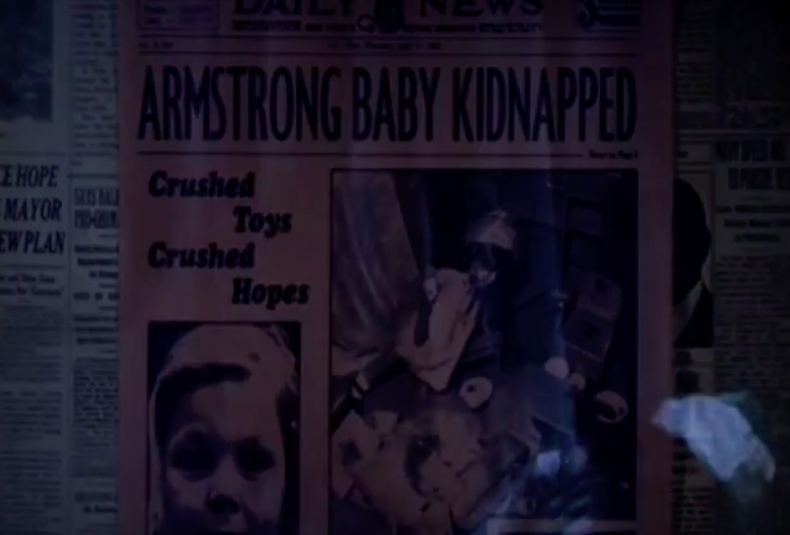
Notice how the shots here fade from the newspaper to the next scene. This was a big inspiration to our title sequence. This was how we transitioned from each piece of evidence. Having the fade transition connects the scenes and allows for better continuity and flow. We also felt that the effect made the scene more scary because it was as if it was drifting away into disappearance.

Last Phase of Editing
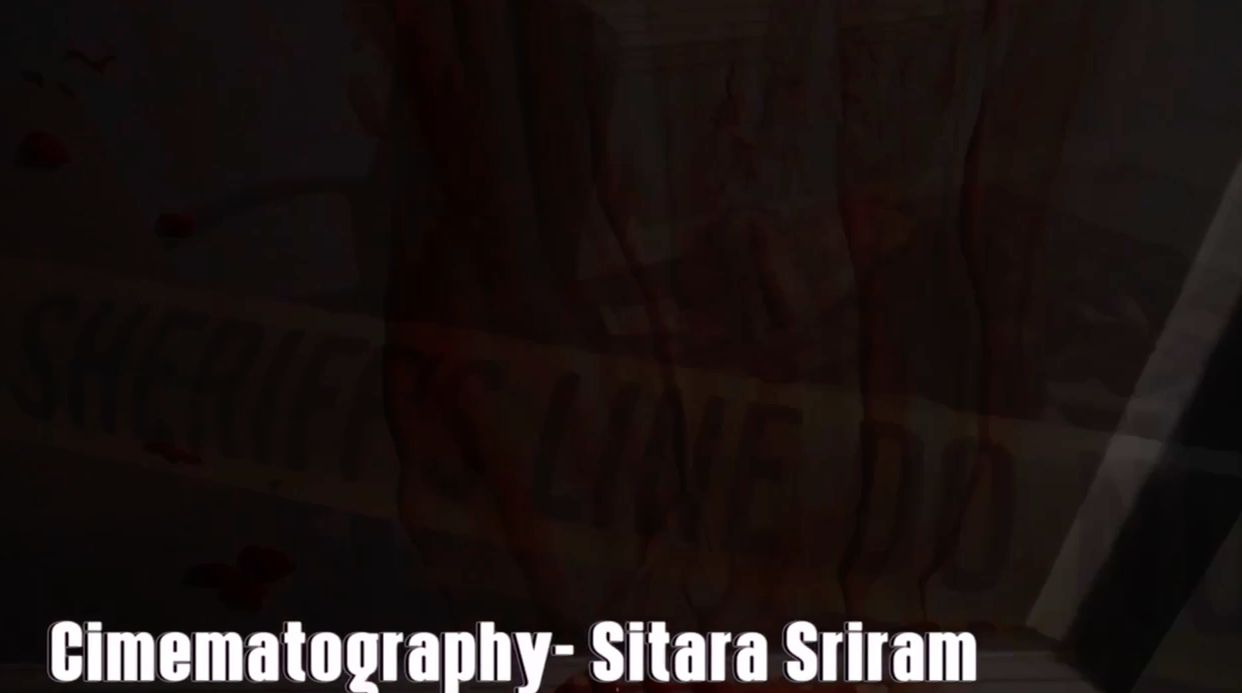
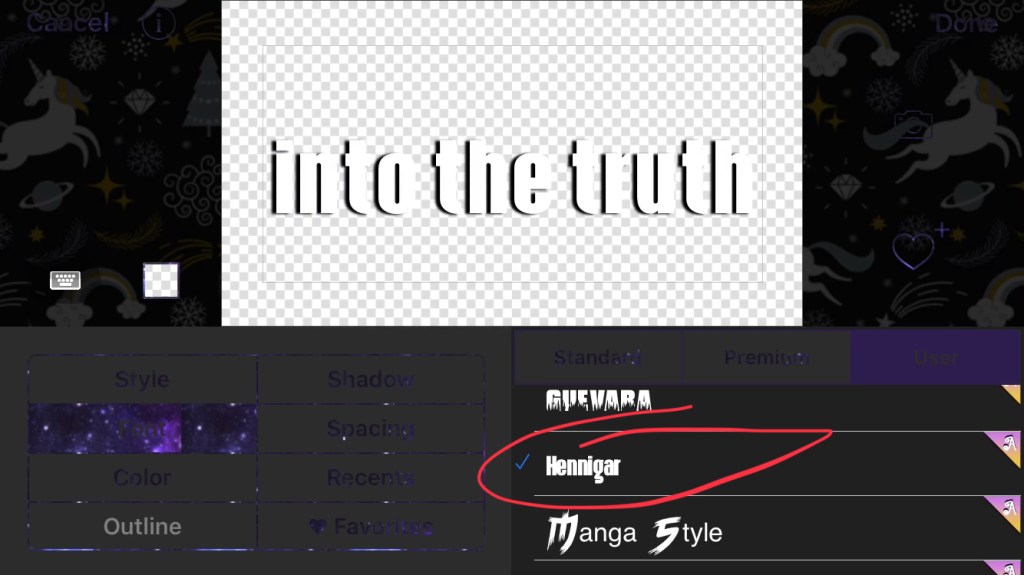
I am very excited to say that we are on our last phase of editing! All we have left are the title cards and the credits that will be playing throughout the beginning section of the title sequence. Honestly, Taylor is a wizard and somehow crafted the beauty that is our title card. It is probably better explained in the screen recording video itself of what she did, but I will briefly explain it. She made the screen of “Into the Truth” and to get the magnifying glass effect running over the words, she used Video Star to overlay a green screen on top of the video. Then she made the green only visible in the middle of the magnifying glass, which allowed for the transparency over the words. By removing the green screen from the rest of the screen, this allowed for the other portion of the screen to be seen without anything blocking it. Then she moved the magnifying glass over the words and somehow BAM we have the finished product, and it looks so perfect! This was a really exciting part for me and Taylor because it signified the ending of our movie but also it was just a really cool editing trick that she was able to pull off.
The next part of editing we had to do we as mentioned, the titles. This is where the credits go of who is the cinematographer, editor, director, etc. This may seem like an unimportant part of the process, but it is actually very vital. Each genre has different fonts they use that just reinforce that genre more. Through our past research we found that most mystery and crime movies typically will use fonts that have big, uppercase, blocky letters. So this is exactly what we used.
Editing Sound
Taylor has finally rearranged all the clips in the order that we want to, so the video part is essentially done. We just need to add the sound in. She had me record sound of my door closing and opening and also she recorded ambient noises of the phone ringing and other various noises in the classroom to make the scene feel more realistic as an office.
She went into more depth with the sound by looking at other movies that we had been researching about during this project such as Murder on the Orient Express, Crooked House, and Sherlock Holmes. In most of the movies, we found that the majority of sound is non-diegetic and is mostly creepy music that creates the background and mood of the scene.
For the background music, we initially found some songs that could’ve worked at the beginning of this project and we made a note of these to look back at. When we started looking at the music options and keeping our title sequence in consideration, the choice that we had originally selected didn’t seem scary enough or mysterious enough. The vibe was a little off and it took away from the mysterious and eerie factor of the scenes. So we researched a little more and found another choice that fit better and we decided to go with this. In editing, Taylor just laid the track over the clips at a lower volume on the first half (crime scene) and then faded the sound out when it got to the detective’s office part. For this second half, this is when the sound clips of the ambient office noises came into play and she just added this sound on top of the clips as well. Then there was also the dialogue sounds which needed to be added. We recorded the dialogue separately as we were filming on Taylor’s AirPods which went straight to her phone as a voice recording. She was able to add these clips on top of the scenes through the system we made of clapping before the action started. This allowed her to easily sync up the video and audio to produce the desired results.
Starting the Editing Process

After reshooting, it was time to start editing and cutting the clips together to actually form the title sequence. Taylor was our main editor and she started by going through all the footage we had and selecting the best cuts for each scene. Then she took the scenes that we wanted into iMovie and began to place them in the order that we wanted. This was fairly simple as we had our handy storyboard where we planned our plot out. It was a bit of a tedious process having to export every single video clip onto her computer to edit it, but she is great and was able to get it done well.

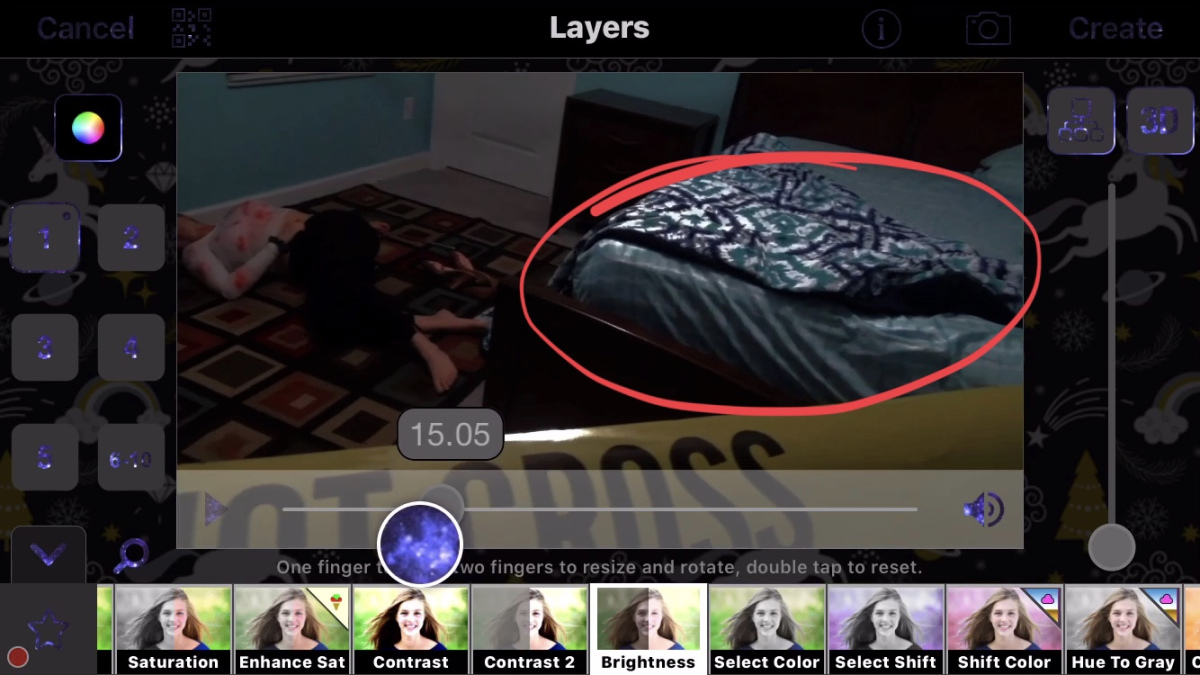
The next part of editing was color correcting and adding filters. In mystery and crime movies they all typically will have darker filters and dimmer lighting to establish the scary mood. Unfortunately, the lighting of the clips that we had were extremely bright because of the ceiling fan that only had one on and off switch. So the high-key lighting that we had obviously wouldn’t work for our title sequence. When trying to find filters on iMovie, they were not turning out as planned and the look was not how we envisioned it to be. Thankfully, Taylor already has an interest in editing prior to this project and had an app called Video Star downloaded onto her phone. She paid money for this, so in this aspect we had more of an advantage than others on this project, but it definitely worked in our favor. Using this app, Taylor was able to have a wider variety of options about the filters and it made the scenes look a lot scarier and darker. Taylor showed me what she had so far, and it looked to me that the bed was a little too overexposed in the crime scene parts, so she lowered the exposure and edited a black screen on top with 50% transparency to make it achieve the darker look.
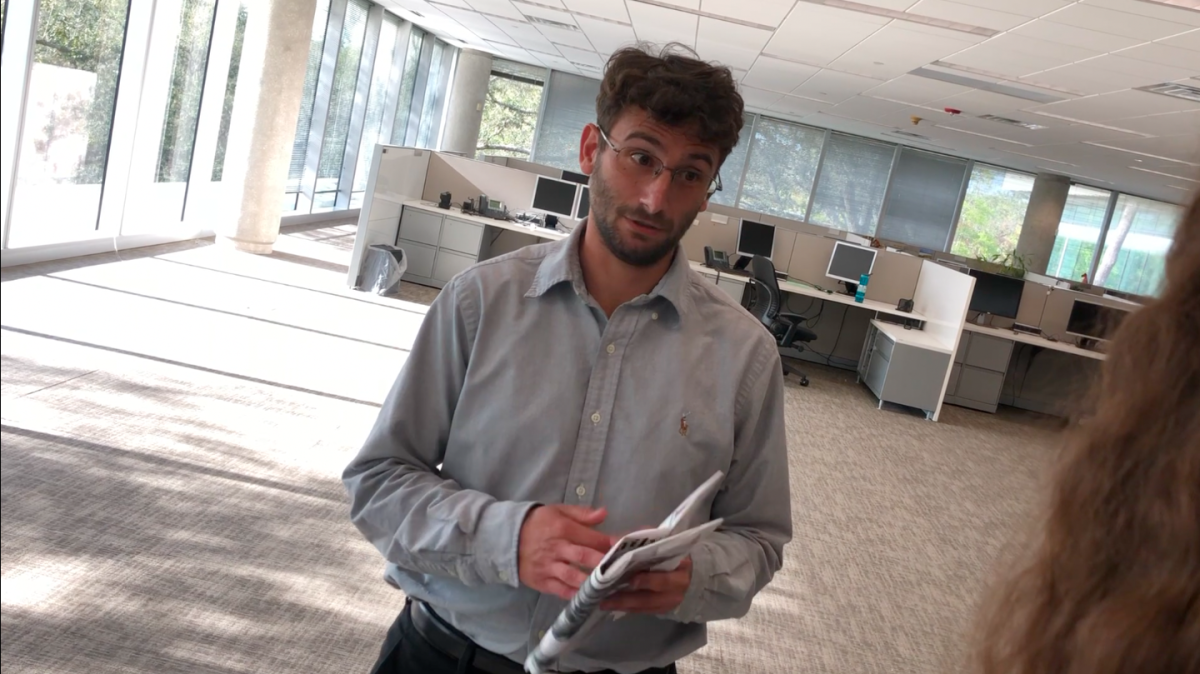
The office scenes didn’t’t require too much color correcting or filters, as it was meant to be taken place in the daytime in an office. So no changes to the lighting was really necessary as our footage already covered our criteria for this.
Reflection
Now that we have reshot our detective’s office scenes at Taylor’s mom’s work, I feel a lot more relieved. We were both really worried about the state of our rough cut because it really lacked in continuity and it just wasn’t the look that we were going for. We researched a lot more about genre conventions and the characteristics of other films in the genres that we are doing and now we feel more confident about our ability to convey meaning through cinematography and mise-en-scene. Our next course of action is the editing phase. This is an extremely important part of our project because editing can make or break the film. If our newer cut turns out anything like our old one, we will be super disappointed, so we are really hoping that this phase of editing will go a lot more smoothly with the newer clips.
My blog posts on the other hand…. that’s another story. It has been really hard to keep up with the blog posts and the different stages that we are supposed to be writing about because I just have so many other things on my plate. But I am slowly trying to start getting back into writing them as we further along our title sequence process.
Pretty soon we are going to be done with this project. I have learned a lot from this experience and I am really glad that we went through every step that we have, despite the numerous obstacles and hardships. It has taught us a lot about the filmmaking process and this hands-on experience has offered us so much more knowledge about what it takes to make a film and effectively establish a desired meaning through mise-en-scene, cinematography, editing and sound.
Sound in Post-production
For our title sequence, we needed a few different sounds. In the first half in the crime scene portion, we need sounds of the door opening and closing. After shooting, Taylor asked me to record sounds of closing an opening my door. I had to do this a few times, because I was worried about the audio clips being too short or too long, but I eventually got it to the desired length after consulting Taylor. In the background of this part of the sequence, we used mysterious music to add to the criminalistic and eerie feel of the video. In the second half, which was the office scenes, we needed the dialogue most importantly. For this, we used Taylor’s AirPods to record the audio. Since they are wireless and bluetooth, it was very convenient because we could attach one piece to Tommy and one piece to Becca. This way we were able to easily record the audio and add it later in the editing phase. Then we also thought about ambient sound. To make it more obvious to the audience that the scene was taking place in the detective’s office, Taylor recorded some noises from our classroom of random conversations and the phone ringing and other noises like this to add to the overall feel.
Reshooting
So we finally found a location and time to reshoot those horrible office shots. After stressing about this, we did eventually fix our mistakes. We went to the Verizon building where Taylor’s mom works and she was able to talk to the security guard to let us in and film and do everything that we needed to do. We felt a lot better about filming this time because we had no time constrictions and we were almost alone in there so there were no distractions or unwanted figures in the background (like the school janitor).
We started to prep for shooting when we got there, doing things like setting up the mise-en-scene and everything to make it look like the detective’s office that we envisioned. Everything was going okay, until we realized that we forgot the newspaper. This was kind of disappointing because that was only the most important prop in the office scenes, so we had to make another newspaper. We searched around the office and found a newspaper on someone’s desk and just took it. Taylor mainly worked on redoing it (because p.s. she was the one who forgot it, don’t tell her), but this actually worked in our favor because this newspaper looked a lot more realistic and matched our time period better, being in black and white print.
After we got the newspaper and props all sorted out, we started to film. From our first time shooting, we added a few more lines to the script, and since our actors are not professionals, they struggled a little bit with memorizing the lines (mainly Tommy) and creating the proper facial expressions. We ran through it several times and shot several times as well. One problem we had shooting the first time was with continuity, which is very important in film. This is because we would cut after each shot, and this was our mistake. This time we kept the camera rolling throughout the entirety of the scenes from a single location and did this a few times from different angles. This would allow for some comfort room, because continuity would remain constant and we had different angles that we could cut back and forth from in editing to achieve our desired goal.
We also had a better plan this time because we actually had a proper storyboard that helped with the cinematographic aspect of production. We were able to smoothly continue with the process of filming with our plan instead of having to take the time to come up with shot ideas as we went along. Sure, we thought of stuff as we shot to make it better but this was still a lot more smooth and easier to work with.
We continued to film according to our plan and we then watched back our footage that we had. This was a super important step because we were so tired from filming that we were just about to leave and call it a day, but after watching it back we realized that we had missed a couple shots that would have been vital to preserving our continuity. So we were really happy we caught that before leaving, because if we had to come back to reshoot just that part the whole feel that was already established might have changed because of the weather, people and other factors.
This day of shooting was definitely a success and we are exciting to take this footage into editing to put it all together and get a step closer to completing our title sequence for Into the Truth.
Rough Cut Reflection
We reflected on our current rough cut as to what was good and what could be improved on.
- How much continuity does the video have? Are there any places where the continuity can be improved? How?
The video has pretty decent continuity until about 1:15. These scenes consist of the dialogue between the two detectives and the cuts make it seem very rough rather than smooth transitions. We can improve the continuity by shooting scenes for longer so that it can flow better.
2. To what extent is the video readable as a film opening? Can you understand that it’s an opening? Why or why not? What can you do to make it more readable?
The video is fairly readable as a film opening. I can understand that it is a film opening because it introduces the setting, characters, and generally the main struggles that the female detective faces. It sets up for the rest of the movie’s plot line. To make this title sequence more readable, we could add superimpositions in editing of the titles and credits, etc. This would make it more apparent that it is the beginning of the movie.
3. To what extent is the video readable within your chosen genre? Can you tell it’s a horror/thriller/comedy/coming-of-age etc.? How can this area be improved?
The video is readable within our chosen genre. Throughout our research, we felt that our title sequence would fall under a variety of genres such as crime, drama, mystery and thriller, so our video does fall under these categories. This area can be improved in editing to fix certain things such as color correction and pacing to make it more apparent that it is a mystery.
To get an outside source’s opinion on our title sequence, we got feedback from our classmates Ava Chandler and Kyler Dickerson.
What is setting (time and place)? How can you tell?
present time because of the newspaper and authoritative looking office people
Who are the characters? How can you tell?
one who got murdered, lead detective and lower rank detective, main character is female detective
What is the movie going to be about? How can you tell?
about finding the truth of a murder, because its a detective scene
To what extent is it readable as a film opening?
felt like an opening to a tv show, started with murder
To what extent is it readable as a mystery/crime film?
yes very readable, dead woman, detectives, pretty much a crime thriller mystery drama
Overall, how might the clarity of meaning in the video be improved?
call her a detective to make it more clear that she is
This feedback was super helpful because it helped us realize that the plot line wasn’t really established. It seemed obvious to us that they were detectives because we are the ones writing and making the movie, but having Ava and Kyler’s comments made us realize that it wasn’t obvious. This will allow us to improve and expand on our title sequence
 Into the Truth